Every industry asks something different from its fabric. A denim jacket needs texture that survives a hundred washes. A camping tent needs to shrug off a downpour at 2 a.m. A hospital textile needs to handle industrial laundering without breaking down. Generic mills treat all of these the same. We don’t.
All In Fabrics runs custom printing, dyeing, finishing, and private label production across seven industries — and we tune our process to the real demands of each one. You bring the vision and the specs. We handle the material science, the production, and the finished goods, engineered for exactly where your product will end up. Find your market below.
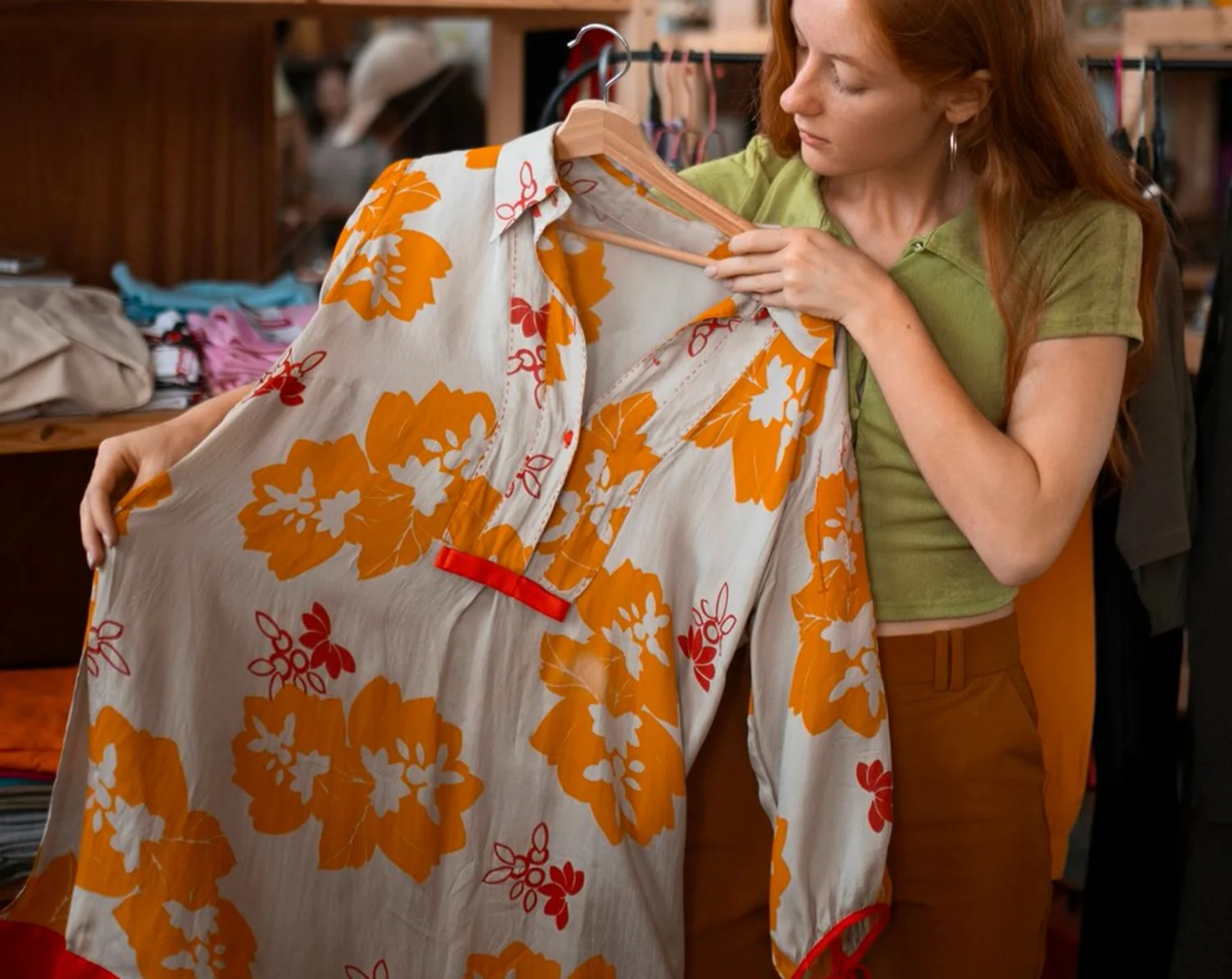
Trends move fast, and your fabric has to keep up without cutting corners. A collection lives or dies on how it looks on the rack and feels in the hand — so surface detail, color depth, and drape aren’t extras, they’re the whole game.
Flock printing on denim that adds soft, raised, velvet-like texture to jackets, jeans, and accessories — sharp definition that holds through repeated washing.
Reactive and pigment printing that bonds color deep into the fiber, so your prints stay saturated season after season instead of fading by fall.
Foil, puff, and specialty finishes that turn a plain silhouette into a statement piece worth the price tag.
Home goods get touched, washed, and lived on every single day. Comfort sells the first order, but durability and color that doesn’t fade in the sun earn the reorder.
Bedding and duvet fabrics with soft hand-feel and print clarity that survives constant laundering.
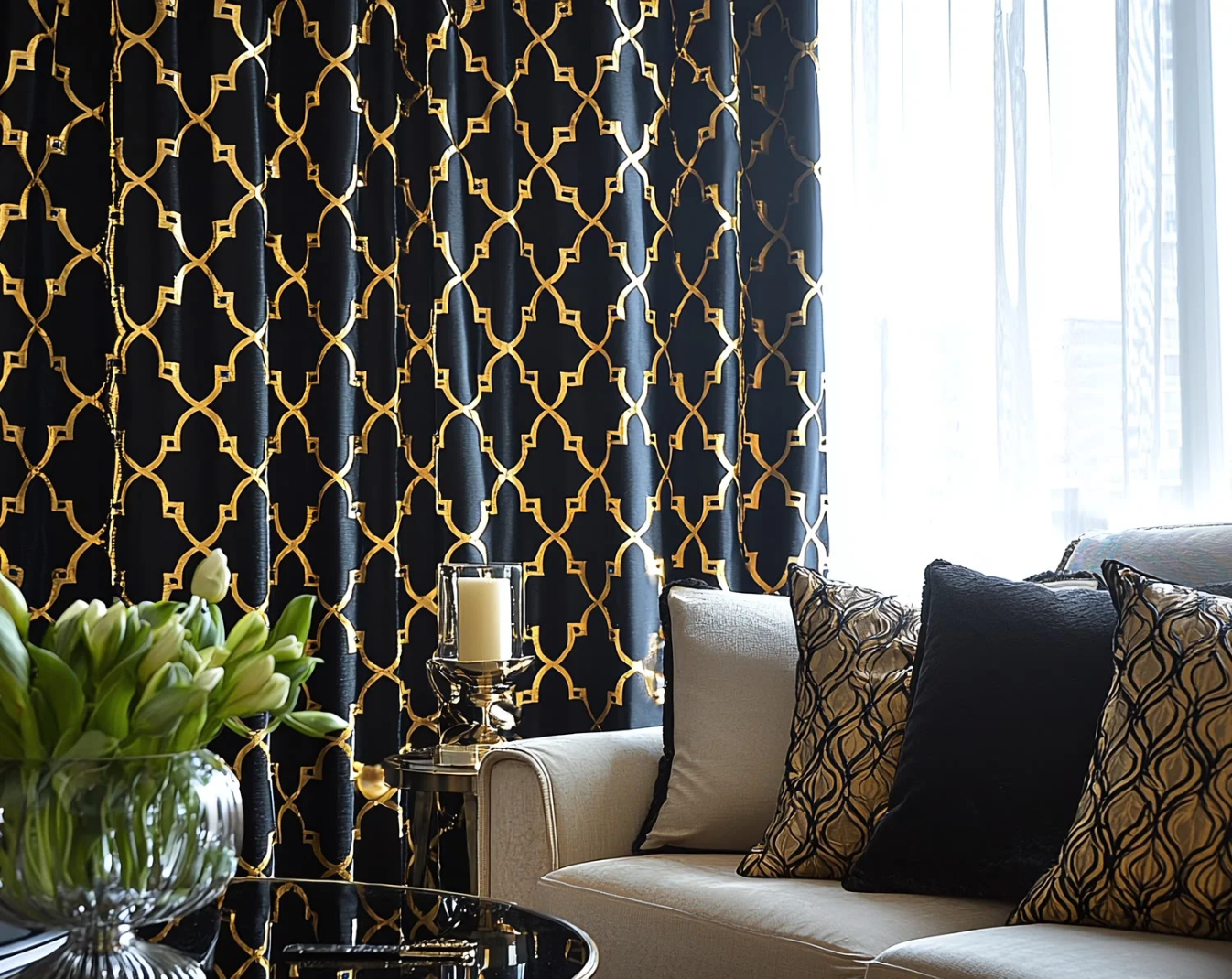
Blackout and drapery textiles engineered to block light and hold rich color under years of direct sun.
Upholstery-grade materials built for abrasion resistance where furniture takes the most punishment.
Branded merch only works when the logo looks as sharp on delivery day as it did in the mockup. Cheap prints crack, colors drift off-brand, and a bad giveaway damages the name it was meant to promote.
Custom-printed tote bags with crisp, on-brand graphics that hold up to daily carry, not just the trade show table.
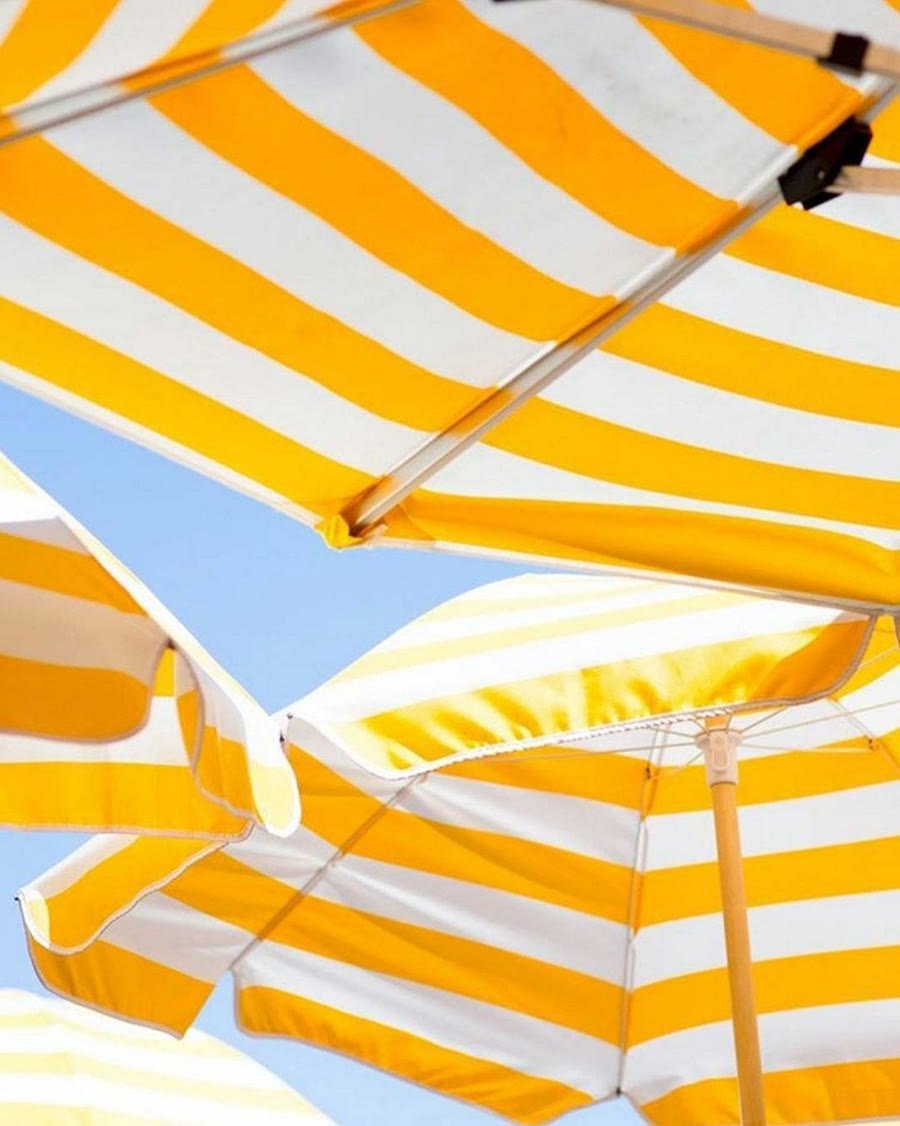
Event banners and textile signage with fade-resistant color for indoor and outdoor use.
Branded apparel and giveaway textiles matched precisely to your Pantone standards across every unit in the run.
Small pieces get the closest inspection. A scarf, a headband, a fabric bag — customers hold these inches from their face, so every print edge and color transition has to be flawless.
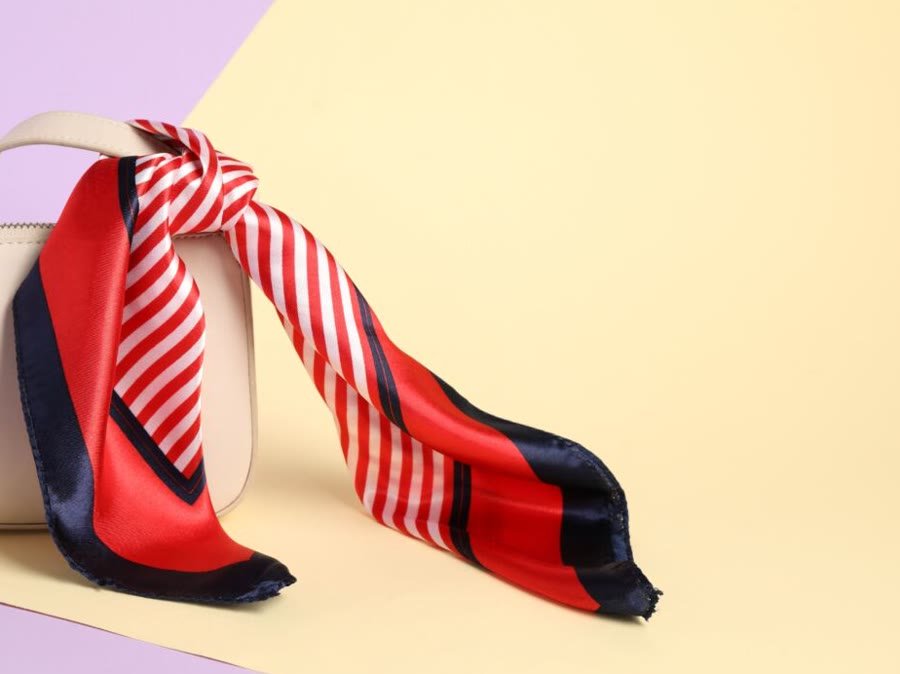
Scarves and bandanas with fine-detail printing and clean color separation, even on lightweight weaves.
Fabric bags and pouches built with durable construction and prints that resist rubbing and wear.
Custom-dyed trims and panels color-matched to your main line for a seamless finished look.
When you outsource production, you’re handing over your reputation. You need a partner who hits your specs to the millimeter, moves on your timeline, and delivers the same result on run one and run fifty.
Full private label production from sampling through bulk, delivered finished, packed, and export-ready under your label.
Made-to-spec runs where we match your exact fabric weight, color, finish, and construction requirements.
Scalable capacity that flexes from short specialty batches to large retail programs without a drop in standards.
Industrial textiles have zero room for failure. Whether it’s a worker’s safety vest or a technical membrane, the fabric has to perform under stress, exposure, and regulation — every time.
Hi-vis workwear fabrics with fluorescent color and reflective compatibility that meet safety visibility demands.
Coated and treated technical materials built for chemical resistance, flame retardancy, and heavy-duty use.
Durable protective textiles engineered for abrasion, tear strength, and repeated industrial laundering.
Nature tests gear harder than any lab can. A leaky seam or a soaked-through shell turns a great trip into a miserable one — so outdoor fabric has to earn its place from the first meter.
Water-resistant and waterproof fabrics finished at the fiber level for shells, tents, and gear that face rain, snow, and everything between.
Technical fabrics for tents and gear tuned for tear strength, UV resistance, and lightweight portability.
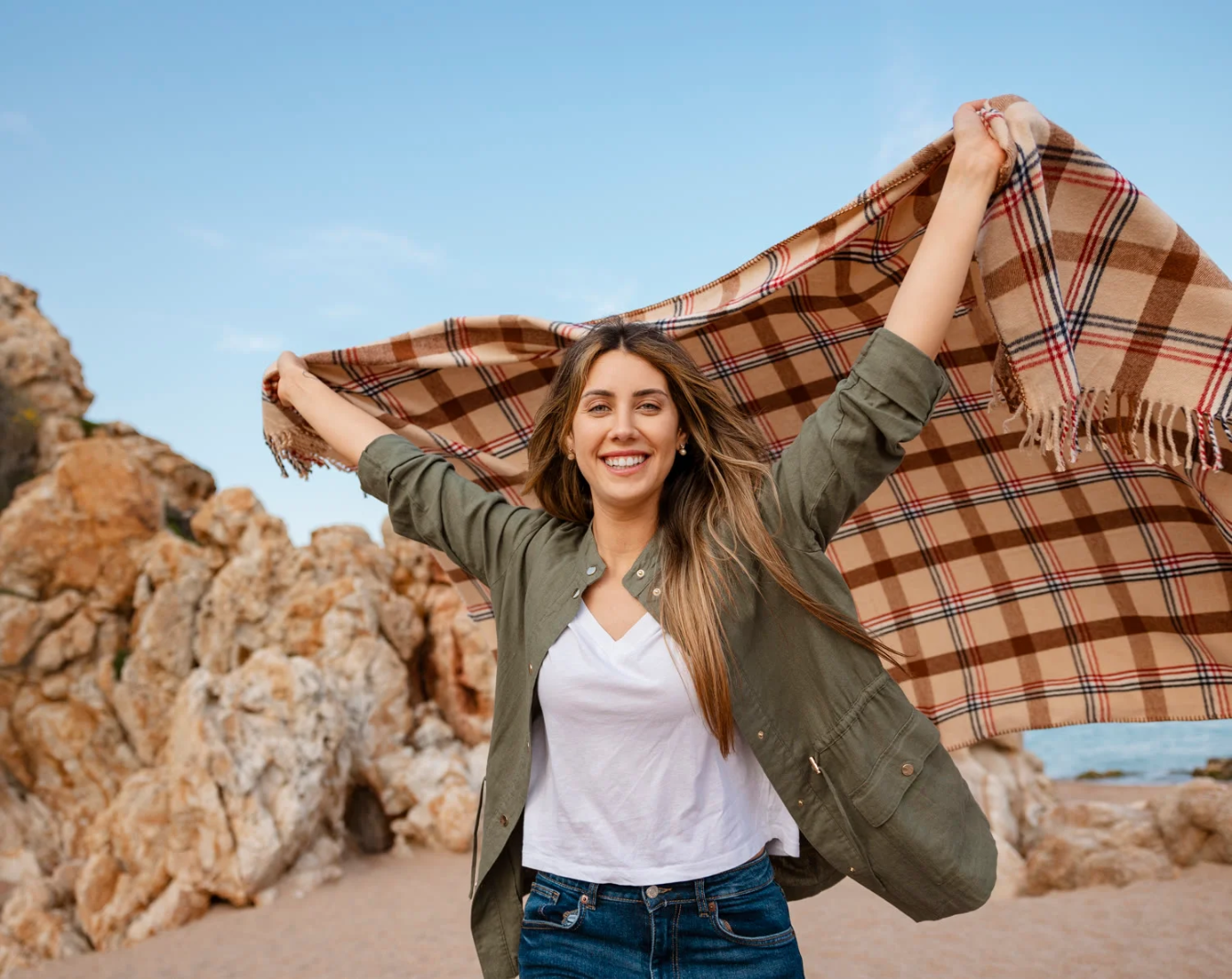
Insect-repellent picnic blankets with pest protection worked into the fabric itself — no sprays, no reapplying, just comfort that lasts through every outing.